
Bollywood movies have long normalised colourism, racism and stereotyping of people from a certain ethnic background.
While the whole world seems to burning with the issue of racial prejudice and race-motivated crimes, Indian filmmakers and mainstream actors have often resorted to racist depiction of characters in their movies.
Some of these have been used as a form of ‘cheap comedy’, while others stem from blatant ignorance towards race-related sensibilities.
It is astonishing that the same stars, go to international platforms and talk about equality and justice, while in their own movies back home, they have remained silent for years to such form of discriminatory and problematic generalisations.
Here are 5 shocking instances of racism in Indian movies:
1) Had Kar Di Aaapne
In an otherwise funny and comic-relief of a movie, a particular scene featuring ‘caricature’ Africans, not only ridicules African people but also unabashedly mimics and calls them brutal names. Featuring the film’s leads – Govinda and Rani Mukerjee, the scene features Govinda hitting on a black woman in the dark, thinking it is Rani Mukerjee, and then getting beaten-up by her husband. With a number of offensive words used during the whole scene, the racism in it is so ‘in your face’ that it doesn’t even need any description.
See it for yourself:
2) Fashion
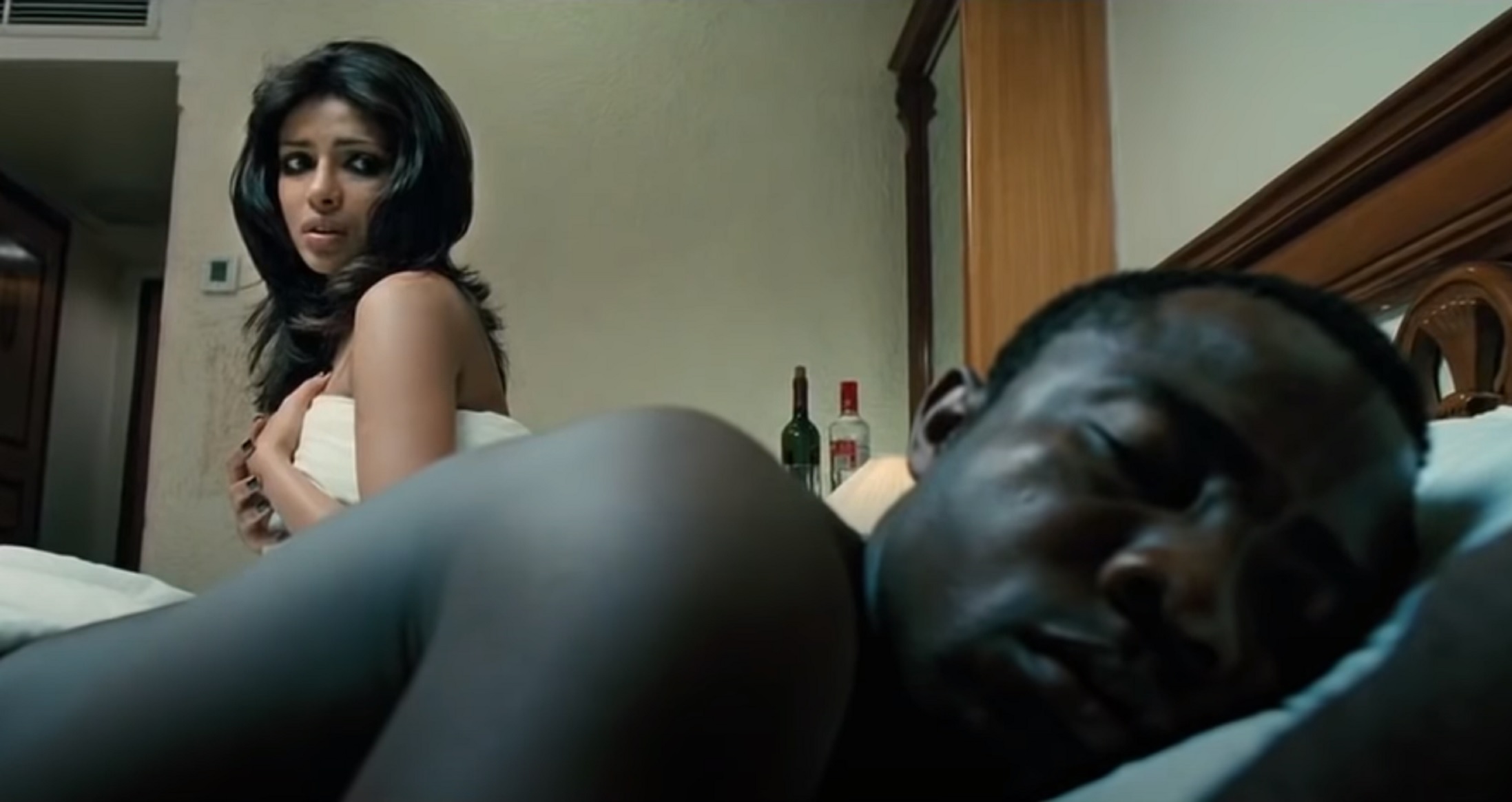
Priyanka Chopra has often been called out for her feature on this rather shocking and racist scene from Fashion. While the over-the-top scene from Had Kar Di Aapne, can still be excused by some since it is a slapstick comedy, the scene on this Madhur Bhandarkar directed “realistic” drama, certainly takes the cake – when it comes to treating black people ‘less than.’ The scene acts as a climax of a story, which features Priyanka’s character – who is a top fashion model, spiralling down in her career due to her out of control lifestyle and partying. But the ‘point of self-realisation’ in her life, only comes when she ends up sleeping with a black man – shamelessly depicted in the movie as the lowest form of self-degradation for an individual. The blatant racism in the way the scene has been written and shot is not only shocking, but also disgusting. And to think that Priyanka now often speaks on the subject of international racism and the ‘black lives matter’ movement. Hypocrisy, much?
3) All The Best: Fun Begins
Yet another stereotype enforcing ‘comedy’ from Bollywood, which featured Bipasha Basu with a ton of black foundation on her face to depict and African princess. Her entourage is violent and basically exudes all the negative stereotypes about black people. Will these celebs and filmmakers ever learn?
4) Asian Stereotypes
Many a times we have seen Bollywood movies depicting Chinese or Japanese characters with similar problematic stereotypes. Be it the outfits, the makeup, mimicry of the actual language’s sound or even something as stupid as squinting their eyes. This supposedly “funny” mimicry by Sridevi for example, with Anil Kapoor donning a black-face:
5) Nepalese Stereotypes
Just how many Nepalese characters have we seen with the exact same style of speaking, the moustache and the clothing? Just how many of these ‘caricature-like’ characters have been reduced to playing racially-insensitive and discriminatory roles, which always feature them in professions like – watchmen, or security guards? The ‘O Shabzi’ didn’t stem from anywhere else but from our very own Hindi film industry. This stereotype-enforcing character from Haseena Maan Jayegi for example:
So many of these stereotypes have now been ingrained in the minds of those who have been watching cinema like this for years. In a way, our film industry has made it possible to normalise racism in our minds and in our society. And there needs to be a check on it.
The obsession with ‘fair skin’ in the Hindi film is industry is evident in the way it has often treated a lot of dark-skinned talented actors. The likes of Nandita Das and Konkone Sen Sharma were never considered ‘leading ladies’, and the likes of Smita Patel and Shabana Aazmi – were often just limited to portraying rural, uneducated characters.
What were your first reactions when you watched these scenes and movies yourself?
And what do you think about them now?